








16MP Security Camera: Upgrade to High-Resolution Protection
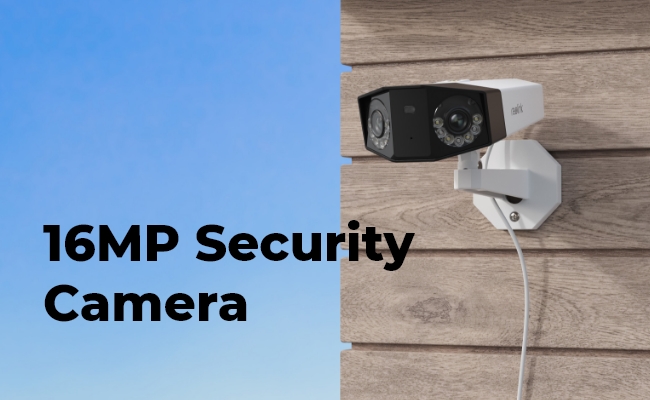
4K security cameras are already sufficient for many surveillance needs, but image detail can still be lost when monitoring a wide area or digitally zooming into a small part of the footage. This is where 16MP security cameras become relevant.
However, more pixels also mean larger video files and greater demands on network bandwidth and recording hardware. So, is 16MP actually worth the upgrade? This guide looks at its real benefits, limitations, and the key factors to consider before buying.
Key Takeaways:
- A 16MP security camera captures approximately 16 million pixels per frame, providing high image detail for security monitoring.
- The higher pixel count helps preserve more detail across large areas and when cropping or digitally zooming into recorded footage.
- 16MP footage requires more storage and bandwidth, so video compression, network stability, and NVR compatibility are important considerations.
- Resolution alone does not determine video quality. Sensor size, lens, lighting, and night vision also affect real-world performance.
- Compared with 4K and 12MP cameras, 16MP is better suited to large-area surveillance or situations where greater image detail is a priority.
What Is a 16MP Security Camera?
A 16MP (megapixel) security camera captures approximately 16 million pixels per frame, providing significantly more image detail than lower-resolution cameras. The exact pixel dimensions can vary depending on the camera's aspect ratio and lens configuration.
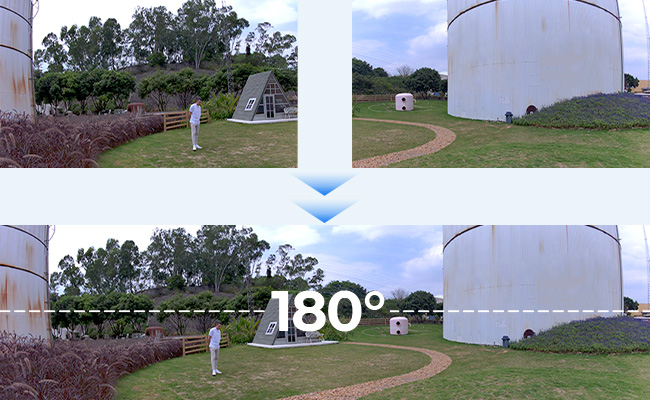
For example, a dual-lens 16MP security camera can combine two 4K images into a 7680 × 2160 panoramic view. The higher pixel count helps preserve more detail when monitoring large areas or digitally zooming in on recorded footage.
What Are the Key Benefits of 16MP Security Cameras?
More Detail Across Large Scenes
A 16MP security camera captures roughly twice as many pixels as a standard 4K 8MP camera. This higher pixel count helps preserve more visual information across the frame, which is particularly useful when people, vehicles, or other objects occupy only a small portion of a large scene.
For example, in a wide driveway or parking area, 16MP footage can retain more useful detail for reviewing people, vehicles, clothing, and other objects. However, actual identification quality also depends on distance, lighting, lens quality, viewing angle, and motion.
Better Detail When Cropping and Digitally Zooming
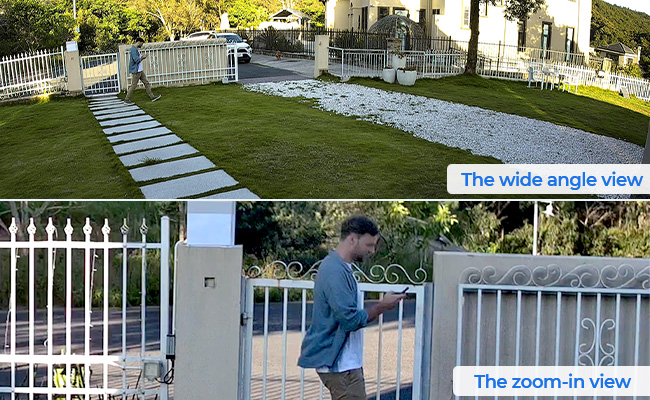
Higher-resolution footage gives you more pixels to work with when reviewing a specific part of a recording. Because digital zoom only enlarges the pixels already captured, a 16MP image can retain more detail after cropping than lower-resolution footage under comparable conditions.
This is useful when an event happens away from the center of the frame and you need to enlarge a smaller area for closer review.
High Resolution Across Wide-Area Coverage
Resolution does not determine field of view, but 16MP can be particularly useful when paired with a wide-angle or multi-lens camera design. The additional pixels help maintain image detail while the camera covers a broader scene.
For example, a dual-lens 16MP camera can combine two high-resolution views into a panoramic image, providing detailed coverage of front yards, parking lots, warehouses, and other wide areas that might otherwise require multiple cameras.
What to Consider When Buying a 16MP Security Camera?
A 16MP security camera captures approximately 16 million pixels per frame, so it places greater demands on storage, bandwidth, and recording hardware than lower-resolution cameras. When choosing one, pay attention to the following specifications rather than the megapixel count alone.
Video Compression and Storage
16MP footage produces large video files, particularly with continuous recording. Look for H.265 video compression, which is designed to store high-resolution video more efficiently than H.264 at comparable video quality.
For occasional motion recording, a 256GB or 512GB microSD card can provide convenient local storage if supported by the camera. For 24/7 recording or multiple 16MP cameras, an NVR with several terabytes of storage is generally more practical. The actual recording time will depend on bitrate, frame rate, compression, number of cameras, and recording schedule.
Network and Streaming
16MP video requires more network bandwidth than 4K or lower-resolution footage. Check the camera's maximum bitrate and make sure your network and recorder can handle the combined bitrate of all connected cameras.
For continuous recording, PoE over a 100Mbps or Gigabit Ethernet network can provide a stable wired connection. For Wi-Fi models, 5GHz Wi-Fi can provide higher throughput when the camera is within good range, while 2.4GHz generally offers longer range. Support for a lower-resolution sub-stream is also useful for smoother remote viewing.
NVR Compatibility
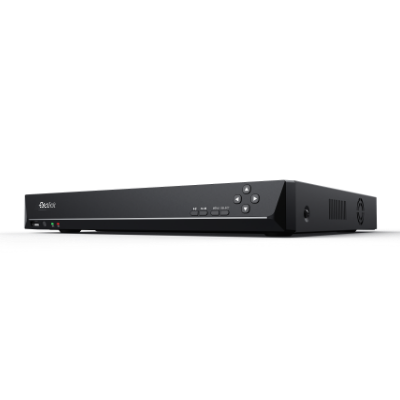
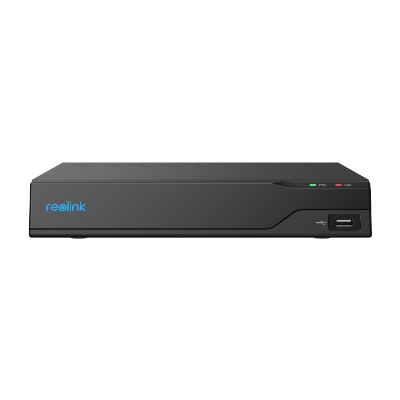
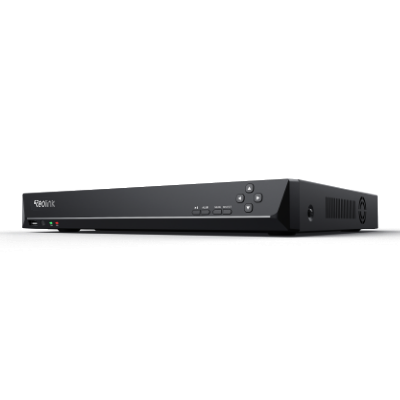
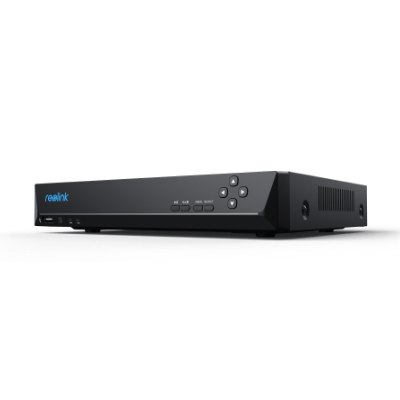
Not every NVR can record a 16MP camera at its maximum resolution. Check that the recorder explicitly supports 16MP or higher-resolution camera input rather than assuming that a 4K NVR will work at full quality.
Also check the NVR's incoming bandwidth, decoding capability, channel capacity, and maximum storage. For example, connecting eight 16MP cameras requires the recorder to process eight high-resolution streams simultaneously, so compatibility should be checked at the system level rather than camera by camera.
Night Vision and Image Sensor
A 16MP specification does not guarantee better nighttime footage. Check the sensor size, lens aperture, IR range, and available color night vision in addition to resolution.
A lower f-number, such as F1.6, allows more light through the lens than a higher f-number under otherwise comparable conditions. For outdoor monitoring, also check the specified night vision distance—for example, whether IR coverage reaches 30m (100ft)—and review real nighttime footage whenever possible.
Smart Detection and Security Features
Look for cameras that distinguish between people, vehicles, and animals rather than relying only on basic motion detection. This can reduce alerts caused by less relevant movement and make recorded events easier to review.
For active deterrence, consider features such as built-in spotlights, sirens, and two-way audio. Also check whether these features work locally without requiring an additional subscription.
Weather Resistance and Installation
For outdoor installation, look for an IP66 or IP67 rating. IP66-rated equipment is protected against dust and powerful water jets, while IP67 adds protection against temporary water immersion under the conditions defined by the rating.
Also check the camera's specified operating temperature range against your local climate. For cameras installed in exposed or easily reachable locations, consider a vandal-resistant model with an IK10 rating, the highest impact-resistance level under the IK classification.
Best 16MP Security Camera Recommendation
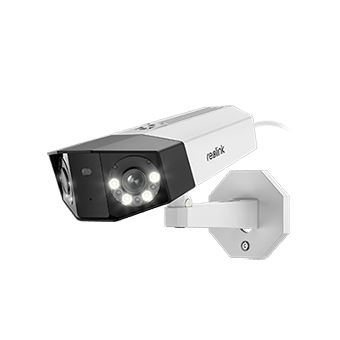
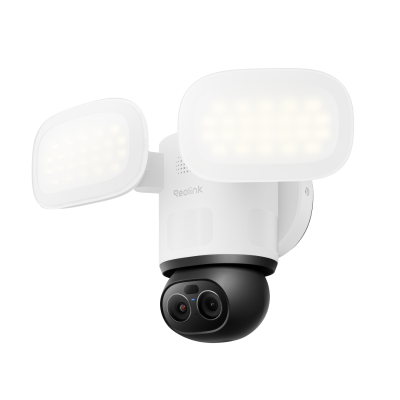
Duo 3 PoE
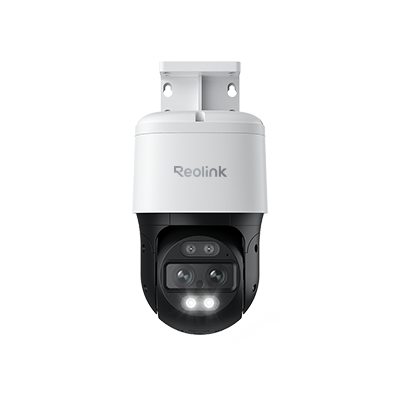
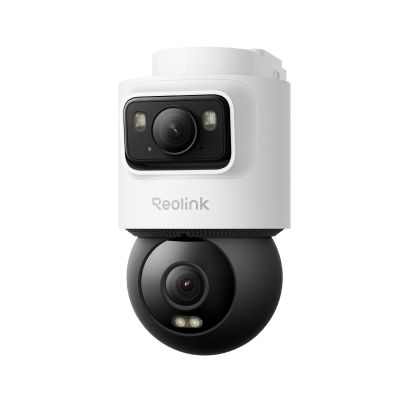
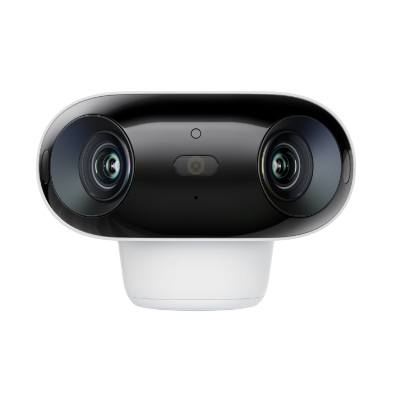
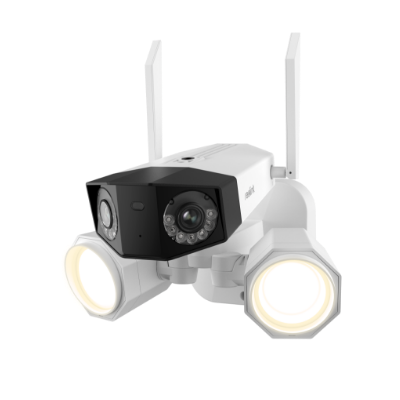
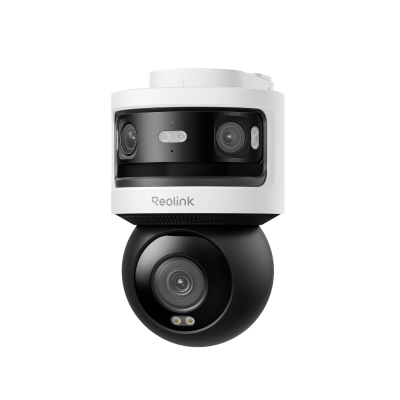
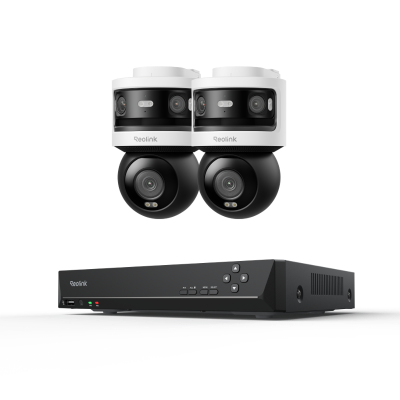
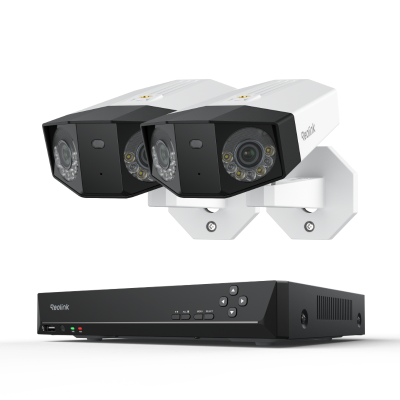
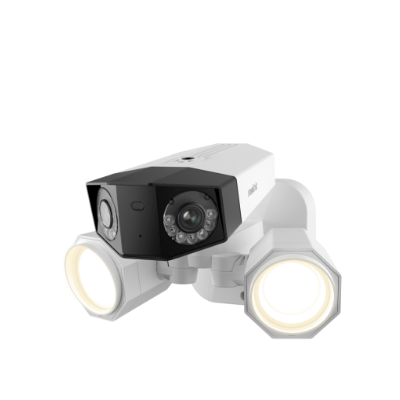
Duo 3 PoE is the first Reolink 16MP security camera, This dual-lens security camera is equipped with two 4K 8MP image sensor, providing 7680x2160 pixels in one frame. With its dual-lens design, this camera delivers crisp and vivid imagery that leaves no room for uncertainty. You can cover a 180-degree field of view using a single device.
Equipped with advanced motion detection and night vision capabilities, the Reolink Duo 3 PoE ensures round-the-clock surveillance, even in low-light conditions. Its rugged construction and weatherproof design guarantee reliable performance in any environment.
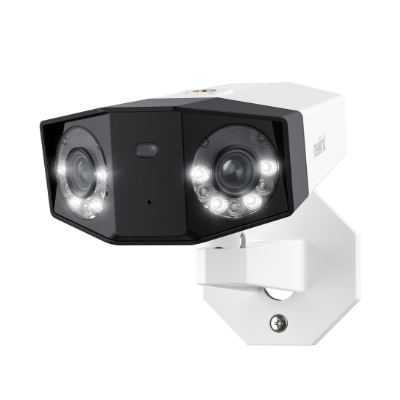
Breakthrough 16MP Dual-Lens 180° PoE Camera
- 16MP UHD dual-lens with 180° panoramic view
- Color night vision for low-light surveillance
Duo 3 WiFi
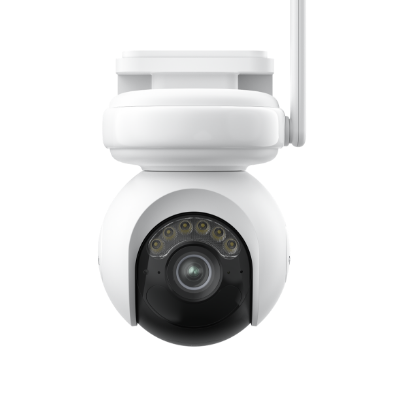
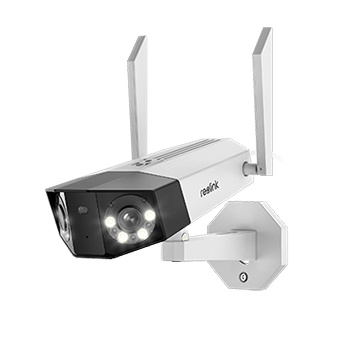
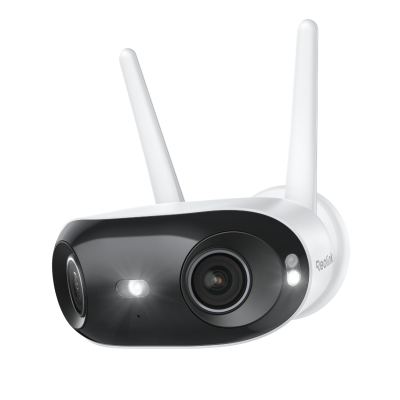
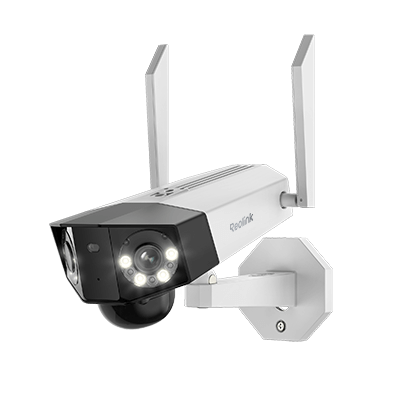
For users seeking a wireless option, the Reolink Duo 3 Wi-Fi is an excellent alternative, offering the same 16MP resolution and dual-lens design for clear, detailed footage. With Wi-Fi connectivity, it simplifies installation without the need for cables, making it a convenient choice for both indoor and outdoor surveillance.
The camera also features advanced motion detection and color night vision, ensuring reliable performance around the clock. Its IP67 weatherproof rating means it can endure harsh environmental conditions, providing peace of mind no matter the weather.
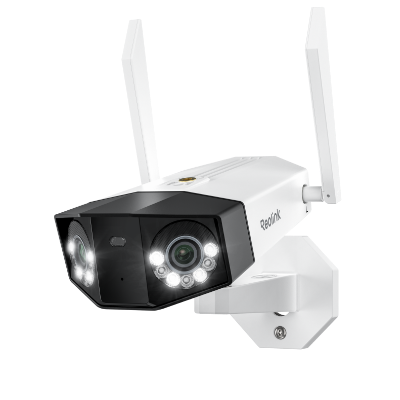
Groundbreaking 16MP Dual-Lens WiFi Camera
16MP UHD, Dual-Lens, Motion Track, 180° Wide Viewing Angle, Plug-In WiFi, Color Night Vision.
What Are Common Uses Cases of a 16MP Security Camera?
Because a 16MP camera captures a massive amount of visual data, it is typically deployed where traditional 2MP (1080p) or even 4K (8MP) cameras fall short.
The following real-world scenarios highlight how a 16MP camera’s extreme resolution and wide coverage are put to use:
1. Expansive Perimeter Defense (Residential Front Yards & Driveways)
Monitoring large residential properties often requires multiple cameras to cover the driveway, front lawn, and street curb.
- Real-World Example: Property owners use the Reolink Duo 3 PoE to monitor their entire street-facing property with a single device. Thanks to its dual-lens 16MP sensor, it captures a seamless 180-degree panoramic view of the front yard without the distorted "fisheye" look. Homeowners can read license plates on the street and identify faces at the front door simultaneously from a single video stream.
2. Large Commercial Spaces (Parking Lots & Warehouses)
In vast commercial areas, standard cameras suffer from pixelation when you digitally zoom in to look at a distant event.
- Real-World Example: Retail managers and warehouse operators deploy 16MP cameras to oversee parking structures, shipping docks, and wide shopping aisles. If a shoplifting incident or a vehicle collision occurs 50 feet away, the 16MP resolution provides enough pixel density to allow security teams to zoom in tightly on small details—such as the text on a delivery box or the face of a suspect—without the image turning into a blurry, pixelated mess.
3. Open-Acre Surveillance (Farms, Ranches & Construction Sites)
Monitoring assets across acres of land requires a camera that handles vast distances while accurately distinguishing between harmless movement and actual threats.
- Real-World Example: Farmers and construction project managers use 16MP setups (like the Reolink Duo 3 WiFi) to protect livestock or expensive machinery. At these distances, a low-resolution camera cannot tell a stray dog from a coyote, or a worker from an intruder. A 16MP camera allows the on-board AI to clearly identify a human, vehicle, or animal at long ranges, triggering automatic spotlights and sirens to deter trespassers before they reach the main structures.
4K vs. 12MP vs. 16MP Security Camera, Which Is Better?
4K, 12MP, and 16MP security cameras can all provide high-resolution surveillance, but they differ in image detail, digital zoom capability, storage requirements, and suitable monitoring areas. 4K is sufficient for most everyday home security, while 12MP provides additional detail and 16MP is more suitable when maximum detail is needed across large or wide areas.
Choose 4K if you need clear footage for general home surveillance without significantly increasing storage and bandwidth requirements.
Choose 12MP if you want more detail than 4K for larger areas or digital zoom while maintaining a balance between image quality and storage requirements.
Choose 16MP if capturing maximum detail across a large scene is the priority and your network, storage, and recording hardware can support the additional data.
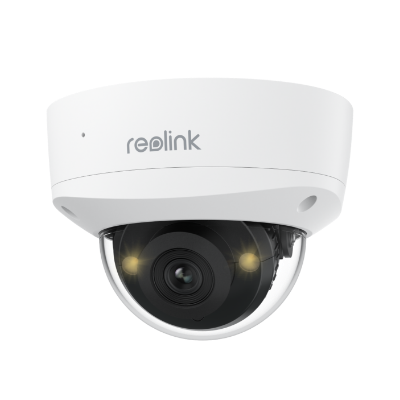
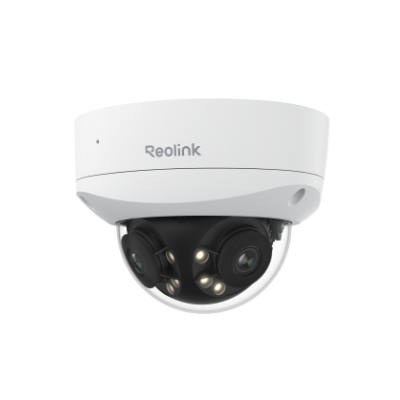
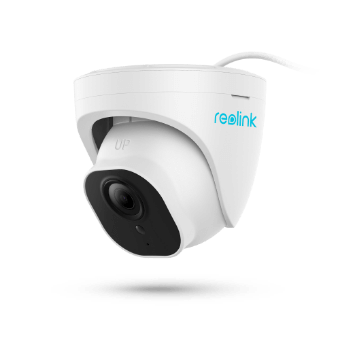
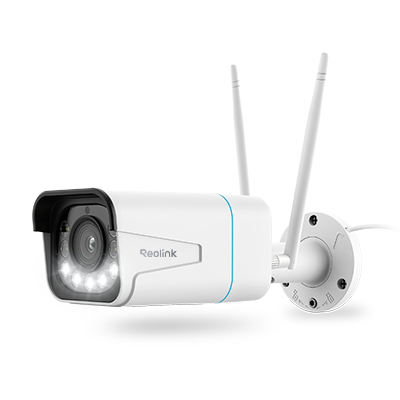
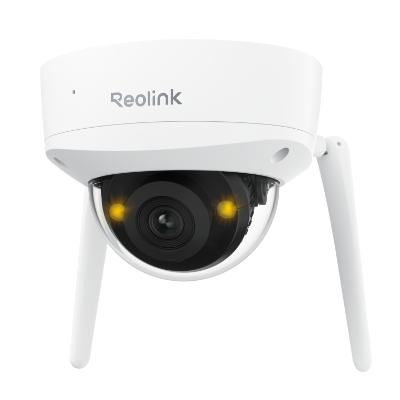
Reolink’s 12MP camera RLC-1224A is a great option if you are looking for a 12MP security camera. It is an Ultra High Definition (UHD) PoE camera to unveil the hidden details. It offers colored and clear visuals even at night and has tons of incredible features, such as motion detection, instant alerts, and two-way audio.
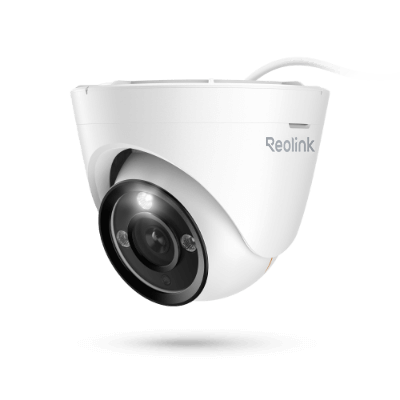
12MP UHD Dome Camera with Color Night Vision
Person/Vehicle Detection; 12MP Ultra HD; Color Night Vision; Remote Control; Two-Way Audio; IP66 Certified Weatherproof.
FAQs
Is 16MP security good?
It offers very clear visuals of the person, object, or vehicle. So you can zoom into the video for more details. It is a good option when security is extremely critical.
Are There Security Cameras Beyond 16MP Resolution?
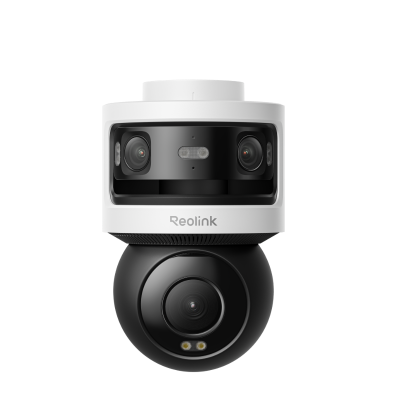
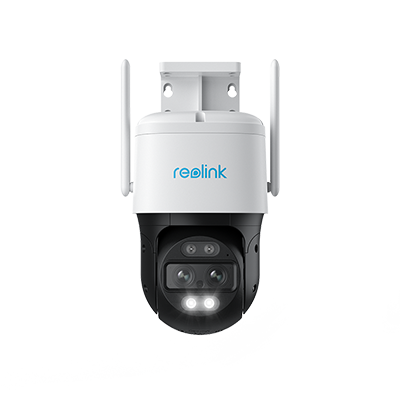
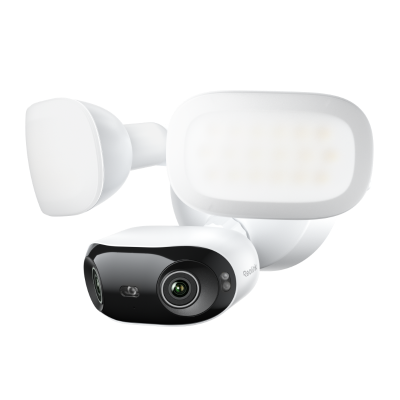
Yes. Some security cameras offer more than 16MP by combining multiple high-resolution sensors. For example, the Reolink OMVI 3i PoE provides 18MP of total resolution by combining a 10MP panoramic view with an 8MP pan-tilt camera, allowing it to capture a wide overview while simultaneously tracking moving subjects in greater detail.
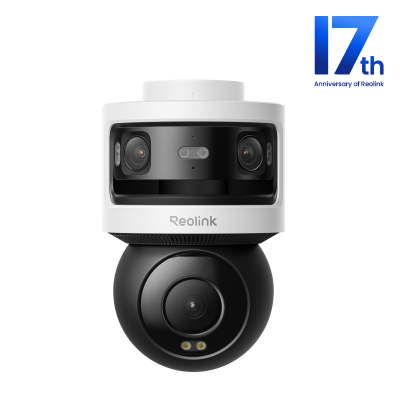
All-in-one Triple-Lens 180° Panoramic Pan-Tilt Security Camera
10MP Dual-Lens 180° View, 4K 360° Full Coverage, SyncTrack with auto framing & auto tracking, Local Storage (No Monthly Fees), Local AI Video Search.
What is the difference between 16MP and 24MP?
A 24MP camera captures approximately 24 million pixels per frame, compared with about 16 million pixels for a 16MP camera. This gives 24MP footage more potential image detail, but it also typically requires more storage and bandwidth. The exact pixel dimensions vary depending on the camera's aspect ratio and sensor configuration.
Does a higher MP mean a better camera?
Higher MP means better resolution, which ensures more details in the video. But MP is not enough for a security camera to be better; you have to look at the video quality you need, light, night vision, and other security features.
Is a 16MP photo good quality?
Yes. A 16MP photo provides high image detail and is suitable for everyday photography, digital zooming, cropping, and large displays. However, overall image quality also depends on the sensor, lens, lighting, and image processing—not megapixels alone.
Conclusion
A 16MP security camera is particularly useful for monitoring large or wide areas where preserving image detail and digital zoom quality matters. Compared with 4K and 12MP cameras, however, the higher resolution also places greater demands on storage, bandwidth, and recording hardware.
Before choosing one, consider the monitoring area, storage capacity, network connection, NVR compatibility, and low-light performance to make sure the extra resolution provides a practical benefit for your security setup.
Search
Subscribe for the Latest Updates
Security insights & offers right into your inbox